

The pre-drywall inspection represents your last and most critical opportunity to examine the structural integrity and hidden systems of your new construction home before walls are sealed. In Katy’s challenging climate with expansive clay soil, high humidity, and intense summer heat, understanding what to look for during this inspection phase can save you tens of thousands of dollars in future repairs. In this blog post, Houston real estate expert Chris Schmidt discusses what you should look for during the pre-drywall inspection of a new build in Katy, Texas.
During a pre-drywall inspection in Katy, you should focus on structural framing, electrical rough-ins, plumbing systems, HVAC ductwork, moisture barriers, and foundation integrity. This inspection occurs after framing and mechanical systems are installed but before insulation and drywall cover everything, typically 4-6 weeks into construction.
Key Takeaways
- Structural integrity checks including framing alignment, load-bearing walls, and foundation anchoring are essential in Katy’s expansive clay soil conditions
- Electrical system verification ensures all outlets, circuits, and wiring match your plans and meet code requirements before walls close up
- Plumbing and HVAC inspections catch issues with drain slopes, pipe supports, and duct sealing that become extremely expensive to fix later
- Moisture protection including proper flashing, house wrap, and vapor barriers is critical for preventing mold in Houston’s humid climate
Working with Chris Schmidt on your new construction purchase costs you nothing because builders pay all realtor fees and commissions, which means you get professional guidance through every decision without any out-of-pocket cost.
To Discuss Your Home Sale or Purchase, Call or Text Today and Start Packing!
Why the Pre-Drywall Inspection Is Critical for Katy Homebuyers
The pre-drywall inspection, also called the framing or rough-in inspection, gives you visibility into components that will be permanently hidden once construction continues. While municipal inspectors check for basic code compliance, they do not verify that builders followed your specific upgrade requests or used quality installation practices that affect long-term performance.
In Houston and surrounding areas like Katy, environmental factors make this inspection even more important. The region’s expansive clay soil contracts during dry periods and swells when saturated, creating foundation stress that poorly anchored homes cannot withstand. Additionally, humidity levels regularly exceeding 70% mean that any moisture intrusion points or inadequate ventilation will likely result in mold growth and structural damage.
Understanding why you need a realtor when buying new construction becomes especially clear during the pre-drywall phase. An experienced agent who has observed hundreds of inspections knows what quality work looks like versus shortcuts that will cause problems later. The Chris Schmidt Team’s nearly two decades of Katy new construction experience means we can identify issues that even some inspectors might overlook.
Understanding the Pre-Drywall Inspection Timeline
Timing your inspection correctly ensures you catch issues while they are still easy and inexpensive to correct. The pre-drywall phase occurs after several major construction milestones are complete but before the home moves into finishing stages.
Typical construction sequence leading to pre-drywall:
- Foundation poured and cured (weeks 1-3)
- Framing erected including walls, floor systems, and roof trusses (weeks 4-6)
- Exterior sheathing, house wrap, windows, and doors installed (weeks 6-8)
- Rough electrical, plumbing, and HVAC systems installed (weeks 8-10)
- Pre-drywall inspection window (week 10-11)
- Insulation installed (week 11-12)
- Drywall hung and finished (weeks 12-16)
Builders in communities like Cross Creek Ranch and Elyson typically provide 24-48 hours notice for the pre-drywall walkthrough, though this varies by builder and construction pace. Scheduling an independent inspection requires coordination to ensure your inspector can access the home during this narrow window.
The Chris Schmidt Team maintains relationships with quality local inspectors who understand Katy’s specific concerns and can often accommodate short-notice appointments when builders move faster than expected. This coordination service is part of our commitment to protecting your investment throughout the construction process.
Structural Framing and Foundation Inspection Points
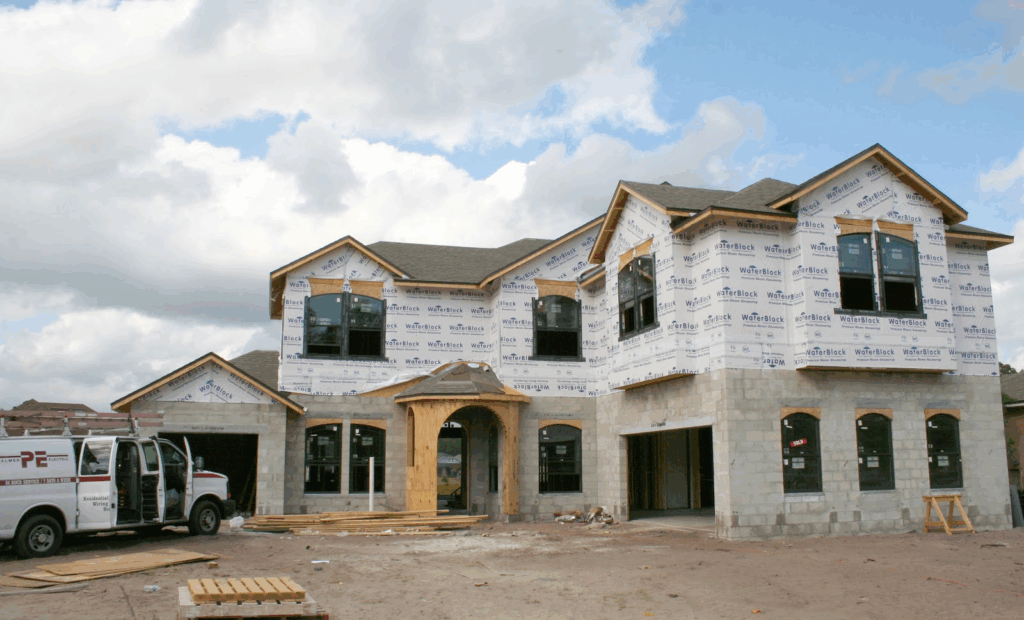
The structural elements of your home form the foundation for everything else, making thorough inspection of framing and foundation connections essential. In Katy’s challenging soil conditions, proper structural installation directly affects your home’s long-term stability.
Foundation and Slab Inspection
Before framing began, your foundation should have been inspected, but the pre-drywall phase offers another opportunity to verify foundation integrity and proper anchoring of the structure. Look for any cracks wider than 1/16 inch, uneven slab surfaces, or signs of settling that might indicate soil movement issues.
Critical foundation elements to verify:
- Post-tension cable systems common in Texas slab foundations should show proper spacing and tension
- Anchor bolts securing bottom plates to the foundation must be properly sized and spaced
- Moisture barriers under the slab should be visible at the edges without tears or gaps
- Proper grading around the foundation directing water away from the home
- Drainage systems including French drains if your lot requires them
Katy sits on Houston Black clay soil that expands and contracts significantly with moisture changes. Homes in neighborhoods like Cinco Ranch and Grand Lakes require careful attention to foundation drainage to prevent the soil movement that causes foundation cracks and settling.
Framing Quality and Load-Bearing Structures
Wall framing forms the skeleton that supports your entire home. Inspectors examine framing for proper lumber sizing, correct spacing, and solid connections that will carry loads safely for decades.
Key framing inspection points:
- Stud spacing should be consistent at 16 inches on center for load-bearing walls
- Headers above openings must be properly sized for the span they support
- Load-bearing wall identification and verification that they match engineering plans
- Lumber quality checking for warped, split, or damaged pieces that should be replaced
- Proper blocking installed where future heavy items like cabinets or TVs will mount
- Fire blocking in place at required locations to slow smoke and flame spread
During nearly two decades of observing new construction in Katy, the Chris Schmidt Team has seen how different builders approach framing quality. Some builders like Highland Homes consistently use premium lumber and careful installation practices, while others occasionally cut corners that become evident during detailed inspections.
“I always encourage my clients to attend the pre-drywall inspection personally, even if they have hired a professional inspector. Walking through your home at this stage helps you understand how it is built and gives you confidence that quality work is being done. I have caught issues during these walkthroughs that saved clients thousands in future repairs.” – Chris Schmidt
📸 Pro Tip: Take extensive photos during pre-drywall inspection for future reference when mounting TVs, hanging shelves, or doing any wall work
Roof Truss and Attic Framing
The roof structure must properly transfer loads to exterior walls and resist the high winds that occasionally impact the Greater Houston area. Roof framing inspection includes checking truss installation, bracing, and connections.
Roof framing checklist:
- Hurricane straps or clips connecting trusses to wall plates meet wind load requirements
- Truss alignment is straight with no sagging or twisted members
- No unauthorized cuts to truss members, which compromises their engineered strength
- Proper bracing installed per engineering specifications
- Attic ventilation openings properly sized and positioned for Houston’s climate
Quality builders in master-planned communities typically engineer roof systems to exceed minimum code requirements, providing extra protection against severe weather. Understanding the differences between master-planned communities and standard subdivisions helps you know what construction standards to expect.
Electrical System Rough-In Verification
Electrical rough-in inspection verifies that wiring, circuits, outlets, and switches are correctly installed and positioned before walls close. Mistakes caught at this stage cost hundreds of dollars to fix, while the same issues after drywall installation can cost thousands.
Circuit and Wiring Inspection
Modern homes require substantial electrical capacity for HVAC systems, kitchen appliances, home offices, and electric vehicle charging. Your electrical panel and circuit distribution should match your home’s needs and any upgrades you purchased.
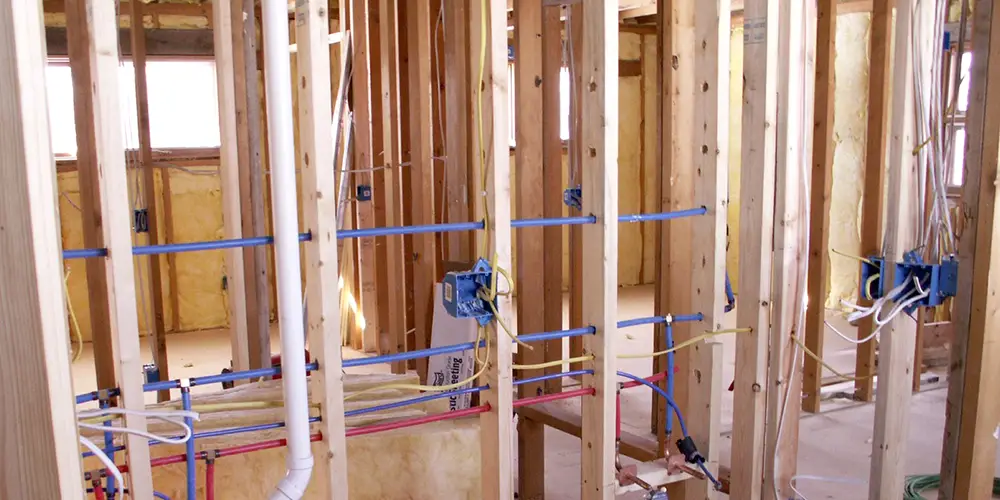
Essential electrical inspection elements:
- Service panel capacity typically 200 amps for homes over 2,500 square feet
- Circuit breaker sizing matches wire gauge (12-gauge wire for 20-amp circuits)
- Dedicated circuits for major appliances, HVAC equipment, and EV chargers
- Wire protection plates installed wherever wiring passes within 1.25 inches of stud edges
- No exposed wire splices outside of approved junction boxes
- Proper wire stapling supporting cables at correct intervals
In Katy’s growing neighborhoods like The Woodlands and Summerwood, many homeowners install electric vehicle charging stations. If you purchased an EV charging circuit upgrade, verify that proper 240-volt wiring and a dedicated 50-amp circuit are installed in your garage location.
Outlet and Switch Placement Verification
This inspection phase is your last chance to verify that outlet and switch locations match your plans before drywall covers everything. Builders occasionally misinterpret plans or overlook special requests, and catching these issues now saves significant money and frustration.
Location verification checklist:
- Kitchen island outlets properly positioned if you purchased this upgrade
- Bathroom GFCI outlets in required locations near water sources
- Exterior outlets include GFCI protection for Houston’s humid environment
- Ceiling fan rough-ins in bedrooms and living areas as requested
- Special circuits for home theater equipment, networking, or smart home systems
- Garage outlets including dedicated circuits for freezers or power tools
The Chris Schmidt Team provides clients with detailed pre-drywall checklists that list every outlet, switch, and circuit you purchased as upgrades. This documentation ensures nothing gets overlooked during the inspection walkthrough.
Smart Home and Technology Wiring
Modern homes increasingly include structured wiring for networks, security systems, and home automation. If you purchased technology upgrades, verify they are properly installed while access is easy.
Technology wiring inspection:
- CAT6 ethernet cables run to designated locations for reliable network connections
- Coaxial cables for TV and internet service if required
- Central wiring panel location and proper organization of all low-voltage cables
- Security system wiring to entry points, motion detector locations, and control panel
- Smart home preparation including neutral wires at switch locations for smart switches
Given the increasing importance of reliable home networks for remote work, proper structured wiring has become essential. Homes in Katy’s newer communities command premium prices when they include quality technology infrastructure.
Plumbing System Inspection Priorities
Plumbing rough-in inspection examines supply lines, drain pipes, vent stacks, and water heater installation. Mistakes discovered after walls are closed require cutting into finished surfaces, making this inspection particularly important.
Supply Line Installation and Protection
Water supply lines must be properly sized, supported, and protected from potential damage. In Katy’s hard water conditions, using appropriate materials and installation practices prevents premature failure.
Supply line inspection points:
- Copper or PEX piping properly secured to framing at required intervals
- No kinks or tight bends that restrict water flow
- Hot and cold lines correctly identified and separated
- Shut-off valves installed at fixtures for easy future maintenance
- Water heater connections with proper temperature/pressure relief valve
- Exterior hose bibs positioned as requested with freeze-proof designs
Houston-area water contains significant mineral content that causes buildup in pipes over time. If you purchased a water softener loop during construction, verify that rough-in plumbing for the softener location is correctly installed.
Drain, Waste, and Vent System Verification
The drain, waste, and vent system removes wastewater and allows air into the system so drains work properly. Incorrect drain slopes or missing vents cause slow drainage and sewer gas odors that require expensive repairs to fix.
Critical drain system checks:
- Proper drain slope of 1/4 inch per foot minimum for horizontal drain lines
- P-traps correctly installed at all fixture locations
- Vent pipes extending through the roof without obstructions
- Clean-outs accessible for future maintenance
- Drain line support preventing sagging that would create low spots
- Correct pipe sizing for each fixture’s drainage requirements
During the hundreds of pre-drywall inspections the Chris Schmidt Team has observed in Katy, improper drain slope ranks among the most common plumbing issues. This problem often goes unnoticed until homeowners move in and experience slow drains or backups.
“One of the most valuable services I provide is connecting my new construction buyers with the best inspectors in Katy. These professionals know exactly what to look for with each builder and have the experience to spot issues that could cause problems down the road. Since builders pay my commission, my clients get this expert guidance without any additional cost.” – Chris Schmidt
Special Plumbing Considerations for Katy Climate
Houston-area humidity and occasional flooding create unique plumbing concerns that require attention during pre-drywall inspection. Proper installation practices prevent moisture problems and ensure reliable operation.
Climate-specific plumbing inspection:
- Condensate drain lines from HVAC units properly pitched and terminating outside
- Secondary drain pans under HVAC air handlers with independent drain lines
- Washing machine drain pan with dedicated drain to prevent overflow damage
- Exterior drainage directing water away from the foundation
- Gas line installation if you have gas appliances or outdoor connections
Understanding what upgrades you should get from the builder versus adding after closing includes knowing that plumbing rough-ins must be completed during construction, as adding them later requires breaking into the slab foundation.
HVAC System and Ductwork Inspection
In Katy’s climate where air conditioning runs 8-9 months per year, HVAC system quality directly affects comfort and utility costs. Pre-drywall inspection verifies that ductwork is properly sized, sealed, and insulated for efficient operation.
Ductwork Installation and Sealing
Leaky or poorly installed ductwork wastes energy by allowing conditioned air to escape into attics or wall cavities. Quality duct installation and sealing can reduce cooling costs by 20-30% compared to poorly sealed systems.
Ductwork inspection priorities:
- Proper duct sizing matching HVAC system capacity and room requirements
- Secure connections at all joints using mastic sealant or approved metallic tape
- Adequate support preventing sagging that restricts airflow
- Insulation on ducts in unconditioned spaces like attics (R-8 minimum)
- Return air pathways sized appropriately for each zone
- No crushed or kinked ducts that restrict airflow
During pre-drywall walkthroughs in communities like Cane Island and Jordan Ranch, the Chris Schmidt Team specifically checks ductwork sealing because this commonly overlooked detail significantly impacts energy efficiency and comfort.
HVAC Equipment Verification
The air conditioning and heating equipment should match specifications in your contract, particularly if you purchased efficiency upgrades. Verify that the correct equipment is installed with proper clearances and connections.
Equipment installation checklist:
- SEER rating matches purchased efficiency level (16+ SEER recommended for Katy)
- Proper sizing for your home’s square footage and layout
- Equipment clearances meet manufacturer requirements for service access
- Drain pan installation under air handler with proper drainage
- Thermostat wiring correct for standard or zoned system operation
- Condensate pump if needed for multi-story homes
Higher efficiency HVAC systems qualify for CenterPoint Energy rebates up to $1,200, making them cost-effective upgrades for Katy’s climate. Verifying correct installation during pre-drywall ensures you receive the performance and efficiency you purchased.
Ventilation and Air Quality Systems
Proper ventilation prevents moisture buildup and maintains healthy indoor air quality in Houston’s humid climate. Pre-drywall inspection verifies that ventilation systems are correctly installed.
Ventilation system verification:
- Bathroom exhaust fans venting directly outside, not into attics
- Kitchen range hood with adequate CFM rating and exterior vent
- Attic ventilation providing proper air exchange to prevent heat buildup
- Fresh air intake if your HVAC system includes ventilation
- Dryer vent taking shortest path to exterior with minimal bends
Some builders in Katy’s premium communities include enhanced air filtration or UV purification systems. If you purchased these upgrades, verify they are properly integrated into your HVAC system during the rough-in phase.
Moisture Protection and Weather Barriers
Preventing moisture intrusion is critical in Houston’s climate where high humidity and heavy rainfall can quickly lead to mold growth and structural damage. Pre-drywall inspection focuses on weather-resistant barriers and flashing that keep water out.
House Wrap and Weather-Resistant Barriers
The house wrap or weather-resistant barrier (WRB) installed over exterior sheathing forms your home’s primary defense against wind-driven rain. Proper installation using correct lapping and sealing techniques prevents moisture from reaching framing lumber.
Weather barrier inspection points:
- Proper lapping with upper sections overlapping lower sections like shingles
- Secure attachment to sheathing without large tears or gaps
- Sealing at penetrations around pipes, vents, and electrical boxes
- Integration with foundation to direct water away from the structure
- Appropriate material for Houston’s climate and exposure conditions
Quality builders use premium house wrap products and train installers on proper techniques. Shortcuts in this area often do not become apparent until years later when moisture damage appears inside walls.
Window and Door Flashing Installation
Improperly flashed windows and doors are the leading cause of moisture intrusion in residential construction. Flashing directs water away from openings, preventing it from entering wall cavities where it causes mold and rot.
Critical flashing inspection elements:
- Sill flashing installed before window placement to direct water out
- Head flashing above windows protecting the top of the opening
- Jamb flashing along sides integrating with house wrap properly
- Pan flashing at door thresholds preventing water entry
- Proper overlap sequence ensuring water flows over each layer to the exterior
The Chris Schmidt Team has observed that flashing installation varies significantly between Katy builders. Some builders use comprehensive flashing systems that exceed code requirements, while others do the minimum necessary to pass inspection.
Roof and Exterior Moisture Protection
Roof installation should be complete or nearly complete during pre-drywall inspection, allowing verification of critical moisture protection elements that prevent leaks.
Moisture protection checklist:
- Underlayment properly installed beneath roofing material
- Drip edge installed along roof edges directing water to gutters
- Valley flashing in areas where roof planes meet
- Penetration flashing around vent pipes, chimneys, and skylights
- Kick-out flashing where roofs meet walls directing water away from siding
Houston’s frequent heavy rainfall makes proper roof moisture protection essential. Homes in Katy that experience roof leaks often trace problems back to inadequate flashing at roof penetrations or wall intersections.
Insulation Preparation and Energy Efficiency
While insulation installation typically occurs after the pre-drywall inspection, this phase allows verification that wall and ceiling cavities are properly prepared for insulation that will maximize energy efficiency.
Insulation Cavity Preparation
Wall cavities must be properly prepared to receive insulation without gaps, compressions, or voids that reduce effectiveness. Air sealing work should be complete or clearly planned before insulation begins.
Cavity preparation verification:
- Proper depth for specified insulation R-values (R-13 walls, R-38 attic minimum)
- Fire blocking does not create voids preventing complete insulation fill
- Electrical and plumbing penetrations sealed to prevent air leakage
- Backing installed at electrical boxes to support insulation
- Vapor barrier planning appropriate for Houston’s hot-humid climate
If you purchased insulation upgrades like spray foam or enhanced wall insulation, verify with your builder exactly when this installation will occur and arrange for follow-up verification.
Air Sealing and Draft Stopping
Air leakage through gaps and penetrations can waste more energy than missing insulation. The pre-drywall phase is the ideal time to verify that air sealing work is complete or properly planned.
Air sealing inspection points:
- Bottom and top plates sealed where they meet foundation and roof framing
- Penetrations sealed where pipes, wires, and ducts pass through framing
- Band joists between floors sealed against air leakage
- Attic access areas prepared for insulation and air sealing
- Recessed lights rated for insulation contact if they will be buried in insulation
Quality air sealing combined with proper insulation can reduce your cooling costs by 30-40% in Katy’s climate, making this one of the highest-value aspects of new construction quality.
Working with Builders to Address Issues Found
When your inspector identifies issues during pre-drywall inspection, knowing how to effectively work with your builder ensures problems get corrected before construction continues.
Documenting Issues Thoroughly
Complete documentation provides the evidence needed to ensure builders take issues seriously and make necessary corrections. Your inspector will provide a written report, but additional documentation strengthens your position.
Documentation best practices:
- Comprehensive photos showing each issue from multiple angles
- Written descriptions noting specific locations using room names or grid references
- Code references for items that do not meet building code requirements
- Plan comparisons showing deviations from approved construction documents
- Priority classifications distinguishing critical safety issues from quality concerns
The Chris Schmidt Team helps clients organize inspection findings into clear, professional documentation that builders respect and respond to appropriately.
Understanding Builder Obligations and Timelines
Builders have contractual obligations to construct homes according to approved plans and meet applicable building codes. Understanding these obligations and typical correction timelines helps set appropriate expectations.
Builder response expectations:
- Safety issues should receive immediate attention before construction continues
- Code violations must be corrected before passing required inspections
- Plan deviations require evaluation to determine if correction or compensation is appropriate
- Quality concerns typically addressed if they fall below industry standards
- Cosmetic issues may or may not be builder’s responsibility depending on contract terms
Experience with builder negotiations in the Houston area helps realtors advocate effectively for clients when issues arise during construction.
Leveraging Professional Representation
Having an experienced buyer’s agent represents a significant advantage when addressing pre-drywall inspection issues. Builders take concerns more seriously when presented by real estate professionals who understand construction standards and have ongoing business relationships with builders.
Agent advocacy benefits:
- Technical knowledge to distinguish serious issues from normal construction practices
- Builder relationships that facilitate productive problem resolution
- Experience knowing which builders respond well versus those who resist corrections
- Documentation support organizing findings into compelling presentations
- Follow-up coordination ensuring corrections are completed before construction continues
Since builders pay realtor commissions, Chris Schmidt’s clients receive this professional advocacy without any cost, making it an obvious advantage over working directly with builder sales representatives.
Coordinating Follow-Up Inspections
The pre-drywall inspection often identifies items requiring correction before construction continues. Scheduling appropriate follow-up inspections verifies that builders completed necessary repairs properly.
Determining Follow-Up Needs
Not every pre-drywall inspection requires follow-up inspection, but certain situations warrant additional verification to protect your investment.
Situations requiring follow-up inspection:
- Structural corrections to framing, foundation anchoring, or load-bearing elements
- Major system modifications to electrical, plumbing, or HVAC installations
- Multiple code violations that required significant rework
- Moisture barrier repairs affecting long-term weather resistance
- Extensive corrections where builder’s repair quality needs verification
Minor issues that do not affect structural integrity or system function typically do not require additional inspection, though photographing completed corrections provides useful documentation.
Post-Insulation Inspection Considerations
Some buyers choose to conduct a second inspection after insulation installation but before drywall. This additional inspection verifies that insulation was installed correctly and air sealing work was completed as planned.
Post-insulation inspection value:
- Verifies insulation coverage without gaps, voids, or compressions
- Confirms air sealing at critical locations
- Checks vapor barrier installation if required in your climate zone
- Documents final condition before permanent covering
- Provides additional leverage if quality issues are discovered
The cost of post-insulation inspection typically ranges from $150-$250 for Katy homes, providing additional peace of mind that energy efficiency upgrades were properly executed.
Why Choose Chris Schmidt to Guide Your Katy New Construction Purchase
Navigating the new construction process requires deep understanding of building practices, local builder reputations, and effective advocacy when issues arise. The Chris Schmidt Team at Your Home Sold Guaranteed Realty - Chris Schmidt Team brings nearly two decades of Katy new construction experience to guide you through every phase of your home purchase, including the critical pre-drywall inspection.
Our team has observed hundreds of pre-drywall inspections across all major Katy builders, giving us unique insight into each builder’s quality standards and common issues. With hundreds of 5-Star Google reviews from satisfied clients, we have built our reputation on honest guidance that protects your investment.

Our database of 5,838+ pre-qualified home buyers means we have extensive experience with every major builder in Katy, including Lennar, KB Home, Highland Homes, Chesmar Homes, and Coventry Homes. This experience helps us know exactly what to look for with each builder and how to effectively advocate for necessary corrections.
We coordinate with trusted local inspectors who understand Katy’s specific construction challenges and can accommodate the short notice builders often provide for pre-drywall walkthroughs. When issues are discovered, our established relationships with builders help ensure problems are addressed promptly and properly.
Our unique guarantees including our “You Will Love Your New Home or I’ll Buy It Back” Guarantee provide peace of mind throughout the construction process. We take time to understand your specific real estate goals, ensuring you are never just another transaction.
With professional credentials including membership in the Houston Association of Realtors and the Graduate Realtor Institute designation from NAR, Chris Schmidt has built expertise that extends throughout the Houston metropolitan area. Our dedication to the community includes supporting Friends For Life Animal Shelter with a portion of every transaction, reflecting our “Go Serve Big” philosophy.
Ready to protect your new construction investment? Contact us today!
Get In Touch
- Call or Text: 713-322-5604
- Start Packing!
Connect With Us:
FAQ
Pre-drywall inspections for typical Katy homes ranging from 2,000-3,000 square feet cost between $300-$500 when conducted by licensed, experienced inspectors familiar with local construction practices and climate considerations. This investment provides exceptional value because catching issues during the pre-drywall phase costs a fraction of what repairs would require after walls are closed. For example, correcting improperly sloped drain lines during rough-in might cost $200-$300 in additional labor, while fixing the same issue after drywall installation could require $2,000-$3,000 to cut into walls, repair plumbing, and restore finishes.
Similarly, relocating an outlet that was placed incorrectly costs under $100 during rough-in but $500-$800 after drywall. The Chris Schmidt Team has observed hundreds of pre-drywall inspections in Katy where issues were discovered that, if left unaddressed, would have cost clients $5,000-$15,000 or more to repair after move-in. We maintain relationships with quality local inspectors and help coordinate inspection scheduling to ensure you have professional verification of construction quality during this critical phase. Since builders pay our commission, you receive this coordination service and expert guidance at no additional cost to you.