

The design center appointment represents one of the most exciting yet financially critical moments in your new construction journey. In this single meeting, you will make dozens of decisions about finishes, fixtures, and upgrades that affect your home’s appearance, functionality, and resale value for years to come. With Katy builders like Lennar, KB Home, and Highland Homes offering hundreds of upgrade options in communities from Elyson to Cross Creek Ranch, walking into your appointment unprepared can lead to overspending by thousands of dollars or missing opportunities that become expensive to add later. In this blog post, Houston real estate expert Chris Schmidt discusses how you should prepare for a new build design center appointment in Katy, Texas.
To prepare for a design center appointment in Katy, establish a firm upgrade budget before your visit, prioritize structural and mechanical improvements over cosmetic changes, research your builder’s standard features and upgrade packages, gather design inspiration that fits Katy’s climate and resale market, and bring documentation tools to track your selections and costs throughout the appointment.
Key Takeaways
- Budget planning is essential because design center upgrades typically cost 5-15% of your home’s base price, ranging from $15,000-$45,000 for typical Katy homes
- Prioritizing structural upgrades like electrical rough-ins, plumbing additions, and HVAC enhancements during construction saves 30-50% compared to retrofitting after closing
- Understanding builder markups helps you identify which upgrades provide genuine value versus cosmetic items you can purchase for less after closing
- Climate-appropriate selections for Katy’s heat, humidity, and occasional severe weather ensure your upgrades provide lasting value and performance
Working with Chris Schmidt on your new construction purchase costs you nothing because builders pay all realtor fees and commissions, which means you get professional guidance through every decision without any out-of-pocket cost.
To Discuss Your Home Sale or Purchase, Call or Text Today and Start Packing!
Understanding the Design Center Experience in Katy
Typically, the design center appointment occurs 2-4 weeks after signing your new construction contract, before framing begins on your home. During this appointment, which can last anywhere from 2-6 hours depending on the builder and number of decisions required, you will work with a design consultant to select everything from flooring and cabinetry to light fixtures and exterior colors.
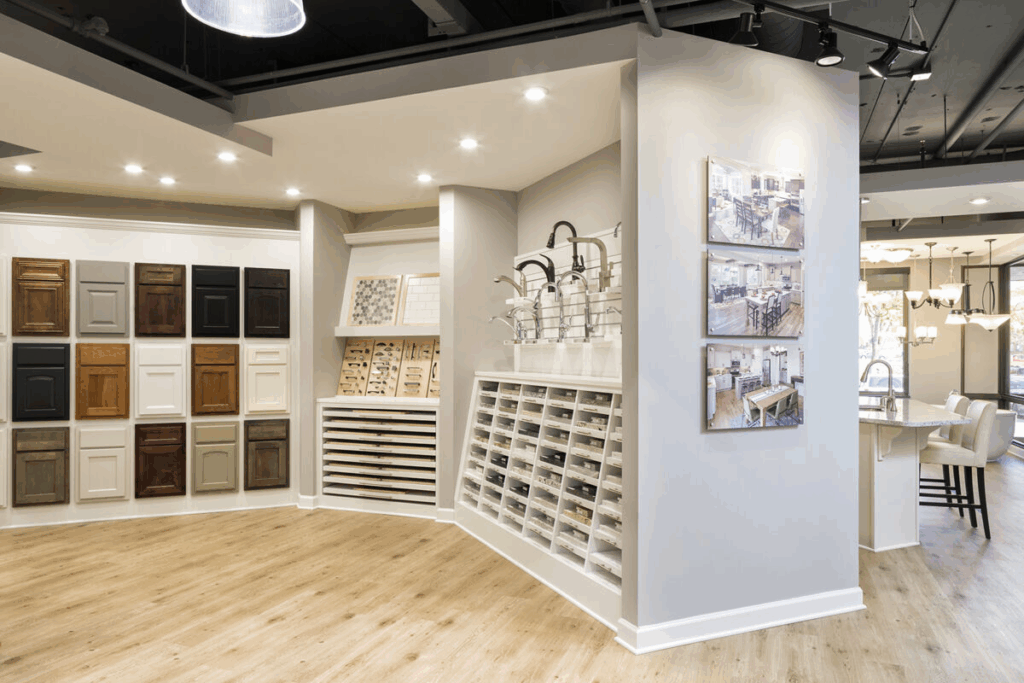
Throughout the Houston area, major builders operate design centers, with some maintaining dedicated facilities near their active communities in Katy. For instance, Lennar operates design studios in several locations, while KB Home and Highland Homes maintain showrooms where buyers can see, touch, and compare upgrade options. Notably, the quality of the design center experience varies significantly between builders, with some offering comprehensive guidance and others taking a more sales-focused approach.
Understanding why you need a realtor when buying new construction becomes especially clear during design center appointments. While builder design consultants are knowledgeable about their products, their primary goal is maximizing upgrade revenue. In contrast, an experienced buyer’s agent who has attended hundreds of design center appointments knows which upgrades provide genuine value and which represent pure markup that you can avoid.
Over nearly two decades, the Chris Schmidt Team has accompanied clients to design center appointments with every major Katy builder. As a result, this experience provides invaluable perspective on typical costs, common pitfalls, and negotiation opportunities that first-time new construction buyers often miss.
Establishing Your Upgrade Budget Strategy
Before walking into the design center, you must establish a realistic upgrade budget and commit to staying within it. The excitement of personalizing your new home, combined with skilled sales techniques from design consultants, can easily lead to spending far more than planned.
Determining Your Budget Range
Generally, industry standards suggest allocating 5-15% of your home’s base price for design center upgrades, though this range varies based on your builder’s standard features and your personal priorities. For example, for a $400,000 home in communities like Cinco Ranch or Grand Lakes, this translates to $20,000-$60,000 in potential upgrade spending.
Budget considerations for Katy homes:
- Entry-level homes ($300,000-$400,000) typically see upgrade budgets of $15,000-$30,000
- Mid-range homes ($400,000-$600,000) often allocate $30,000-$50,000 for upgrades
- Premium homes ($600,000-$800,000+) may budget $50,000-$100,000 or more for customization
Importantly, these ranges assume you are making strategic upgrade decisions rather than selecting every available option. In contrast, some buyers choose minimal upgrades and handle improvements after closing, while others maximize customization during construction to create their ideal home.
Therefore, the Chris Schmidt Team helps clients develop realistic upgrade budgets based on actual Katy market data from hundreds of transactions. Specifically, we know which upgrades provide strong return on investment in specific neighborhoods and which represent personal preferences that may not enhance resale value.
Creating Your Priority Framework
Clearly, not all upgrades provide equal value or urgency. Therefore, a strategic approach categorizes upgrades into tiers based on difficulty and cost of adding them after closing.
Tier 1 – Do During Construction (Highest Priority):
- Structural modifications (additional windows, room layout changes, ceiling treatments)
- Electrical rough-ins (extra outlets, dedicated circuits, recessed lighting, smart home wiring)
- Plumbing rough-ins (additional bathrooms, pot fillers, gas lines, water softener loops)
- HVAC enhancements (upgraded efficiency, zoning systems, enhanced insulation)
- Foundation-related upgrades (covered patio extensions, garage additions)
Tier 2 – Consider During Construction (Medium Priority):
- Flooring upgrades from carpet to tile or luxury vinyl plank
- Cabinet quality and configuration changes
- Countertop material upgrades
- Built-in features requiring structural support
- Energy-efficient windows and exterior upgrades
Tier 3 – Can Add After Closing (Lower Priority):
- Light fixtures and ceiling fans
- Cabinet hardware and faucets
- Paint colors and wall treatments
- Window treatments and blinds
- Landscaping enhancements
- Appliance upgrades (if builder allows)
Ultimately, understanding what upgrades you should get from the builder versus adding after closing helps you allocate your budget toward items that provide maximum value and avoid overpaying for cosmetic changes that cost far less at retail.
“I always tell my clients to allocate at least 70% of their upgrade budget toward structural and mechanical improvements that become difficult or expensive to add later. The remaining 30% can go toward visible upgrades that enhance daily enjoyment of your home. This approach ensures you are not sacrificing functionality for aesthetics, while still creating a space you love.” – Chris Schmidt
Priority
Priority
Priority
💡 Pro Tip: Focus your budget on Tier 1 upgrades that are difficult or expensive to add later, while saving Tier 3 items for post-closing customization
Researching Your Builder’s Standard Features and Options
Before your appointment, thoroughly research what comes standard in your home versus what requires paying upgrade premiums. Notably, builders vary dramatically in their base specifications, with some including features as standard that others charge thousands of dollars to upgrade.
Requesting Standard Features Documentation
First, contact your builder’s sales team and request detailed documentation of standard features included in your home’s base price. Consequently, this information helps you understand your starting point and identify which upgrades provide genuine improvements versus minor cosmetic changes.
Key standard feature categories to review:
- Flooring materials and quality (carpet grade, tile type, which rooms receive what flooring)
- Cabinetry specifications (construction quality, finish options, hardware included)
- Countertop materials (laminate, granite, quartz standard)
- Appliance packages (brands, models, which appliances are included)
- Plumbing fixtures (faucet brands and styles, toilet quality, shower configurations)
- Lighting allowances (what fixtures are included versus requiring upgrades)
- HVAC specifications (SEER rating, number of zones, programmable thermostat)
- Insulation standards (R-values for walls and attic)
- Exterior finishes (siding materials, brick percentage, stone accents)
Many Katy builders have improved their standard packages in recent years to remain competitive. Lennar’s “Everything’s Included” program incorporates features that other builders charge for as upgrades, while some builders maintain lower base prices but require upgrades for items buyers consider essential.
Analyzing Builder Markup Patterns
Typically, builders apply different markup percentages to various upgrade categories. Therefore, understanding these patterns helps you identify where you are getting fair value versus where you are paying excessive premiums.
Typical builder markup ranges by category:
- Structural changes: 20-40% markup (relatively competitive due to construction convenience)
- Cabinetry upgrades: 40-60% markup (moderate premium for design and installation)
- Countertops: 50-100% markup (significant premium over retail pricing)
- Flooring: 50-80% markup (tile and luxury vinyl can cost 2x retail prices)
- Light fixtures: 100-200% markup (extreme premiums on decorative lighting)
- Plumbing fixtures: 75-150% markup (faucets and shower fixtures heavily marked up)
- Appliances: 20-50% markup (varies by brand and package)
However, these ranges vary between builders and represent general patterns observed across the Katy market. Fortunately, the Chris Schmidt Team’s experience with specific builders helps clients understand where particular builders price fairly versus where they apply excessive markups.
Gathering Design Inspiration and Making Style Decisions
Walking into your design center appointment with clear style preferences and visual references makes the selection process more efficient and helps ensure your choices work together cohesively.
Creating Your Visual Reference Library
First, compile images, samples, and references that represent your design aesthetic and help guide your selections during the appointment.
Effective inspiration gathering methods:
- Pinterest boards organized by room or category (kitchens, bathrooms, flooring, colors)
- Houzz ideabooks featuring homes in similar style and price range
- Photos from model homes showing specific finishes and combinations you liked
- Magazine clippings or digital saves highlighting color palettes and material combinations
- Paint chips or fabric samples from existing furniture or decor you will keep
- Photos of your current home showing items you are bringing to your new space
Importantly, focus your inspiration on finishes and styles appropriate for Katy’s market and climate. Although bold, trendy choices might appeal personally, neutral, classic selections typically provide better resale value in the Greater Houston area’s strong relocation market.
Visiting Model Homes Strategically
Similarly, touring model homes before your design center appointment provides crucial context about how upgrades look in real-world settings versus showroom samples.
Strategic model home touring:
- Visit multiple models in your specific community to see various upgrade packages
- Photograph every detail you like, including close-ups of finishes with any visible product tags
- Ask about upgrade costs for specific features you see in the model
- Note what is standard versus upgrade by requesting the model’s feature sheet
- Experience materials in context seeing how tile looks at scale, how cabinetry fits rooms
- Observe lighting conditions noting how finishes appear in natural versus artificial light
Typically, model homes in master-planned communities like Elyson, Cane Island, and Cross Creek Ranch showcase premium upgrade packages worth $50,000-$150,000 or more. Therefore, understanding the difference between model home presentation and standard features prevents disappointment and helps set realistic expectations.
In addition, the Chris Schmidt Team arranges model home tours for clients before design center appointments, providing context about which features represent good value and which are primarily for show.
Defining Your Color Palette and Style Direction
Meanwhile, establishing a cohesive color palette before your appointment prevents making conflicting selections that do not work together harmoniously.
Color palette development steps:
- Choose 2-3 primary colors that will dominate your selections (typically neutrals)
- Select 1-2 accent colors for interest and personality
- Consider existing furniture and how new finishes will coordinate with items you own
- Think about lighting and how Katy’s intense natural light affects color appearance
- Plan for trends by choosing classic colors that age well rather than following current fads
Currently, popular color palettes in Katy’s market include cool grays with white trim, warm greiges (gray-beige blends), and soft whites with natural wood tones. Importantly, these neutral foundations appeal to the broad range of buyers in Katy’s strong resale market, including corporate relocations and military families.
Preparing Essential Documentation and Tools
Arriving at your design center appointment with the right tools and documentation makes the process more organized and helps you track decisions and costs effectively.
Creating Your Appointment Toolkit
Assemble physical and digital tools that facilitate efficient decision-making and documentation during your appointment.
Essential items to bring:
- Budget worksheet showing your total budget and allocated amounts by category
- Upgrade priority list ranking must-have versus nice-to-have items
- Floor plan copy with notes about special considerations for specific rooms
- Inspiration images either digital on your phone or printed in a folder
- Measuring tape for verifying dimensions if needed
- Notepad and pens for recording information and tracking thoughts
- Calculator or phone to track running totals of upgrade costs
- Camera or smartphone to photograph selections and product information
- Questions list prepared in advance to ensure you address all concerns
Consider bringing a small bag or folder to organize product brochures, color samples, and documentation you receive during the appointment. Additionally, some buyers create a dedicated binder with sections for each room or upgrade category.
Preparing Your Question List
Furthermore, design consultants have extensive product knowledge but may not volunteer information about costs, alternatives, or potential issues unless asked directly.
Critical questions to prepare:
- “What is included as standard versus what requires an upgrade charge?”
- “Can you show me the price difference between upgrade tiers for this category?”
- “Are there package deals or bundles that offer better value than individual selections?”
- “What is your change order policy if I want to modify selections after today?”
- “Which upgrades are most popular with buyers in this community?”
- “Can you provide product specifications or model numbers for my selections?”
- “What is the warranty coverage for upgraded items versus standard features?”
- “Are there seasonal promotions or builder incentives currently available?”
- “Can I supply my own materials for any categories to save on markups?”
Understanding hidden incentives builders offer helps you negotiate for better value or additional upgrades within your budget.
Planning for Accompaniment and Support
Bringing the right people to your design center appointment provides valuable perspective while avoiding the confusion of too many opinions.
Optimal appointment accompaniment:
- Spouse or partner if you are co-purchasing the home
- Your buyer’s agent (Chris Schmidt or team member) for objective guidance
- Interior designer if you have hired professional design help
- Limit additional guests to avoid overwhelming group dynamics
Arrange childcare for your appointment rather than bringing children to a several-hour meeting requiring focused attention. Design consultants appreciate working with buyers who can concentrate fully on selections without distractions.
“I make it a point to attend design center appointments with my clients whenever possible. Having seen hundreds of these appointments across all the major Katy builders, I can quickly identify when design consultants are pushing unnecessary upgrades or when you are getting genuine value. Since builders pay my commission, there is no additional cost to clients for this service, and it often saves them thousands of dollars in avoided overspending.” – Chris Schmidt
Navigating Climate-Specific Upgrade Decisions for Katy
Katy’s hot, humid climate with occasional severe weather creates specific considerations that should influence your design center selections.
Energy Efficiency and Climate Control Upgrades
Specifically, given that air conditioning operates 8-9 months per year in Katy, energy efficiency upgrades provide tangible ongoing value that quickly pays for itself through reduced utility costs.
High-value climate-related upgrades:
- High-SEER HVAC systems (16+ SEER rating) reducing cooling costs by 20-30%
- Enhanced insulation including spray foam or upgraded fiberglass providing superior thermal performance
- Low-E window coatings blocking heat while allowing natural light
- Radiant barrier roof decking reflecting heat away from attic spaces
- Upgraded attic ventilation preventing heat buildup and reducing cooling loads
- Energy-efficient exterior doors with proper weather stripping and insulation
Notably, CenterPoint Energy offers rebates up to $1,200 for qualifying high-efficiency HVAC installations, making these upgrades more cost-effective. In addition, the Chris Schmidt Team helps clients understand which efficiency upgrades qualify for rebates and how to maximize these incentives.
Moisture-Resistant Material Selections
Houston area humidity regularly exceeds 70%, making moisture resistance a critical consideration for long-term performance and maintenance.
Climate-appropriate material choices:
- Luxury vinyl plank flooring instead of hardwood in areas prone to moisture exposure
- Tile flooring in entryways, bathrooms, and laundry rooms handling wet traffic
- Moisture-resistant drywall (green board or purple board) in bathrooms and utility areas
- Quality exterior paint formulated for high-humidity climates
- Mold-resistant caulking and grout in bathrooms and wet areas
- Proper ventilation including bathroom exhaust fans venting directly outside
While hardwood flooring remains popular in Katy’s market, many experienced homeowners choose luxury vinyl plank for superior moisture resistance at lower cost, reserving hardwood for bedrooms and living areas less exposed to humidity and moisture.
Storm Protection and Durability Considerations
While Katy sits inland from the Gulf Coast, the area occasionally experiences severe weather including heavy rainfall, high winds, and rare hurricane impacts.
Weather-protection upgrades to consider:
- Impact-resistant windows providing protection against storm debris while potentially reducing insurance premiums
- Enhanced roofing materials rated for higher wind speeds and heavy rainfall
- Proper drainage enhancements ensuring water flows away from your foundation
- Covered porch or patio extensions protecting entries from rain during storms
- Upgraded gutters and downspouts handling heavy rainfall common in the Houston area
Understanding which weather protection upgrades builders offer as options helps you make informed decisions about balancing upfront costs with long-term protection and insurance savings.
Maximizing Value Through Strategic Negotiations
Importantly, design center appointments offer negotiation opportunities that many buyers do not recognize or leverage effectively.
Understanding Builder Flexibility and Timing
Notably, builders demonstrate varying degrees of flexibility on upgrade pricing and inclusions depending on market conditions, inventory levels, and individual circumstances.
Negotiation leverage factors:
- Market conditions – Slower markets provide more negotiation opportunity
- Spec inventory – Builders with standing inventory may offer incentives to move homes
- End of quarter or year – Builders facing sales targets may negotiate more aggressively
- Relationship with sales agent – Strong rapport sometimes yields additional flexibility
- Cash buyers – Eliminating financing contingencies provides negotiation leverage
- Quick closings – Willingness to close faster may generate concessions
Ultimately, learning about how much you can negotiate on a new build house in Houston helps set realistic expectations about what builders might offer.
Bundling Upgrades for Better Pricing
Furthermore, builders often provide package pricing that discounts multiple upgrades purchased together compared to selecting them individually.
Effective bundling strategies:
- Request package quotes for commonly grouped upgrades (kitchen, master bath, flooring)
- Negotiate add-ins like asking for free cabinet hardware upgrade with cabinet purchase
- Use competing quotes from other builders to show market pricing
- Leverage closing cost credits to fund upgrades without out-of-pocket cost
- Ask about promotional packages builders may offer seasonally or to move inventory
Importantly, the Chris Schmidt Team’s established relationships with Katy builders help clients understand which builders negotiate most readily and what concessions are typically available.
Comparing Builder Pricing Against Retail Alternatives
Additionally, for upgrades you can defer until after closing, comparing builder pricing against retail costs helps you decide whether to purchase now or later.
Retail comparison categories:
- Light fixtures – Compare builder prices to Home Depot, Lowe’s, or lighting specialty stores
- Cabinet hardware – Check prices at hardware stores or online retailers
- Appliances – Compare builder packages to retail sales at major appliance stores
- Window treatments – Price blinds and shutters through local vendors
- Landscaping – Get quotes from local landscaping companies for comparison
Ultimately, when retail pricing is 30-50% lower than builder upgrades for items you can easily add later, deferring those purchases makes financial sense.
Managing the Design Center Appointment Day
Ultimately, understanding what to expect during your actual appointment helps you stay organized, avoid decision fatigue, and make choices you will be happy with long-term.
Structuring Your Appointment Time
Typically, design center appointments follow a structured progression through different selection categories, though the specific order varies by builder.
Common appointment flow:
- Introduction and budget review (15-30 minutes)
- Exterior selections including siding, brick, stone, colors (30-45 minutes)
- Flooring selections for all areas of the home (45-60 minutes)
- Kitchen selections including cabinets, countertops, backsplash, appliances (60-90 minutes)
- Bathroom selections for all bathrooms (45-60 minutes)
- Interior finishes including paint, trim, doors, hardware (30-45 minutes)
- Lighting selections throughout the home (30-45 minutes)
- Final review and pricing of all selections (30-45 minutes)
Generally, total appointment time ranges from 3-5 hours for buyers making average numbers of selections. However, buyers choosing extensive upgrades or requiring more time for decisions may need multiple appointments.
Avoiding Decision Fatigue and Pressure
Importantly, making dozens of decisions over several hours while tracking costs creates mental exhaustion that can lead to poor choices.
Strategies to maintain focus:
- Take breaks when feeling overwhelmed rather than rushing decisions
- Start with priority items making important decisions while mentally fresh
- Stay within budget by tracking running totals throughout the appointment
- Ask for time if you need to think about a particular decision
- Request follow-up if you genuinely cannot decide on certain items
- Trust your preparation referring back to your priorities and inspiration
Notably, design consultants work on commission and may subtly pressure buyers toward higher-priced upgrades. Therefore, having your agent present provides a buffer against pressure tactics and ensures decisions align with your genuine interests.
Documenting Your Selections Properly
Moreover, thorough documentation during and after your appointment prevents confusion, ensures accuracy, and provides reference for future work on your home.
Documentation best practices:
- Photograph every selection including product tags with model numbers when visible
- Record product specifications including brands, colors, models, sizes
- Note upgrade costs for each selection as you go
- Keep all printed materials including color samples and product brochures
- Request written confirmation of all selections before leaving
- Verify totals carefully ensuring all charges are accurate before signing
- Save all documentation in a dedicated folder or binder for future reference
Additionally, some builders provide professional selection sheets summarizing all choices with product images. Therefore, request digital copies of these documents for your records.
Post-Appointment Review and Adjustment Period
Fortunately, most builders allow a short window after your design center appointment to review and modify selections before final production orders are placed.
Reviewing Your Decisions Objectively
Specifically, taking 24-48 hours after your appointment to review selections with fresh perspective helps catch any choices you might regret.
Post-appointment review process:
- Compare selections to original budget and identify any overspending
- Review photos of your choices seeing them again with less pressure
- Consider functionality ensuring selections work for your lifestyle
- Evaluate resale impact particularly if you plan to sell within 5-10 years
- Discuss with family ensuring everyone is comfortable with major decisions
- Check for conflicts making sure finishes coordinate properly throughout home
However, if you identify concerns during your review period, contact your builder’s design center immediately to discuss potential changes. Generally, most builders accommodate reasonable modifications during this window without penalty.
Understanding Change Order Policies
Subsequently, after the official modification period closes, making changes to your selections typically requires formal change orders that may include additional fees.
Change order considerations:
- Timing windows – Changes become more difficult and expensive as construction progresses
- Change order fees – Some builders charge administrative fees for late changes
- Material lead times – Certain products require long ordering periods limiting change flexibility
- Construction schedule – Changes may delay your closing date
- Upgrade pricing – Late additions may not receive promotional pricing from original appointment
Consequently, understanding your specific builder’s change order policies helps you make informed decisions about whether to finalize selections quickly or take advantage of modification windows.
Why Choose Chris Schmidt to Guide Your Katy New Construction Purchase
Successfully navigating the design center process requires understanding builder practices, local market preferences, and the true value of various upgrade options. The Chris Schmidt Team at Your Home Sold Guaranteed Realty - Chris Schmidt Team brings nearly two decades of Katy new construction experience to guide you through every step of your home purchase, including the critical design center appointment.
Our Design Center Expertise and Client Success
Our team has attended hundreds of design center appointments with clients purchasing homes from all major Katy builders, giving us unique insight into each builder’s upgrade options, typical pricing, and negotiation flexibility. Furthermore, with hundreds of 5-Star Google reviews from satisfied clients, we have built our reputation on protecting buyers’ interests and ensuring they make informed upgrade decisions.

Additionally, our database of 5,838+ pre-qualified home buyers means we have extensive experience with buyer preferences across all Katy neighborhoods. Consequently, this market knowledge helps us advise which upgrades provide strong return on investment in communities like Elyson, Cross Creek Ranch, Cane Island, The Woodlands, and Memorial Villages versus which represent personal preferences that may not enhance resale value.
Moreover, we offer complimentary pre-design center consultations where we review your budget, priorities, and specific builder’s upgrade options. In fact, many clients save $5,000-$15,000 or more by avoiding unnecessary upgrades while ensuring they do not miss important improvements that become expensive to add later.
Our established relationships with all major Katy builders including Lennar, KB Home, Highland Homes, Chesmar Homes, and Coventry Homes help us understand current incentive programs and negotiation opportunities. As a result, we can often help clients secure additional upgrade credits or concessions through effective negotiation.
Our Commitment to Your Success
Furthermore, our unique guarantees including our “You Will Love Your New Home or I’ll Buy It Back” Guarantee provide peace of mind throughout the construction process. Similarly, we take time to understand your specific real estate goals and lifestyle needs, ensuring upgrade recommendations align with how you will actually use your home.
With professional credentials including membership in the Houston Association of Realtors and the Graduate Realtor Institute designation from NAR, Chris Schmidt has built expertise that extends throughout the Houston metropolitan area. In addition, our dedication to the community includes supporting Friends For Life Animal Shelter with a portion of every transaction, reflecting our “Go Serve Big” philosophy.
Whether you are building in Cross Creek Ranch, Elyson, Cane Island, or any other Katy community, the Chris Schmidt Team provides the expert guidance you need to make smart design center decisions that enhance your home without breaking your budget.
Ready to make confident design center decisions? Contact us today!
Get In Touch
- Call or Text: 713-322-5604
- Start Packing!
Connect With Us:
FAQ
Absolutely, bringing your realtor to your design center appointment provides significant advantages that can save you thousands of dollars and help you avoid costly mistakes. Specifically, an experienced buyer’s agent who specializes in new construction, like the Chris Schmidt Team, has attended hundreds of design center appointments and knows exactly which upgrades provide genuine value versus which represent excessive builder markups on items you can purchase more affordably after closing.