

Closing day excitement quickly transforms into homeownership responsibility when new Houston homeowners realize they must protect their investment through immediate maintenance action. Understanding what maintenance priorities to address immediately after closing on a Houston home is crucial for homeowners facing the city’s unique climate challenges, including extreme summer heat, high humidity, and expansive clay soil foundation concerns. In this blog post, Houston real estate expert Chris Schmidt discusses what maintenance priorities should be addressed immediately after closing, with specific guidance for Houston’s climate and market conditions.
Key Takeaways
- Security comes first: Change all locks, garage codes, and alarm system codes within 24 hours to ensure only trusted individuals have access to your home.
- Houston’s climate demands immediate HVAC verification: Schedule pre-summer tune-ups in March or April to prevent catastrophic failures during July and August peak heat.
- Foundation and humidity monitoring are essential: Houston’s expansive clay soil and high humidity create unique maintenance priorities that national guides miss entirely.
- Budget-conscious prioritization is key: Understanding which tasks cannot be deferred versus which can wait prevents costly mistakes while respecting post-closing financial constraints.
After closing on a Houston home, you should immediately prioritize three critical tasks: changing all locks and security codes, scheduling an HVAC performance inspection before summer heat arrives, and documenting the property’s condition through a detailed walkthrough. These steps ensure security, prevent costly system failures, and establish a maintenance baseline for your new property.
To Discuss Your Home Sale or Purchase, Call or Text Today and Start Packing!
Chris Schmidt has guided hundreds of new homeowners through their first 90 days of homeownership since 2004, developing specialized knowledge of the city’s unique maintenance challenges. His nearly two decades of experience helping Houston buyers includes identifying climate-specific priorities like HVAC performance and foundation monitoring that national homeowner guides consistently miss. Chris’s Graduate Realtor Institute (GRI) designation provides him with insider insights into which immediate maintenance priorities protect your investment.
Immediate Security and Safety Priorities (First 24-48 Hours)
Your family’s safety is the absolute first priority upon taking possession of a new home. You have no way of knowing who the previous owners gave copies of keys to, from contractors to family members. Therefore, addressing security vulnerabilities within the first 48 hours is non-negotiable. This process involves more than just the front door; it includes every potential access point and safety device in the home.
Change All Locks and Security Codes
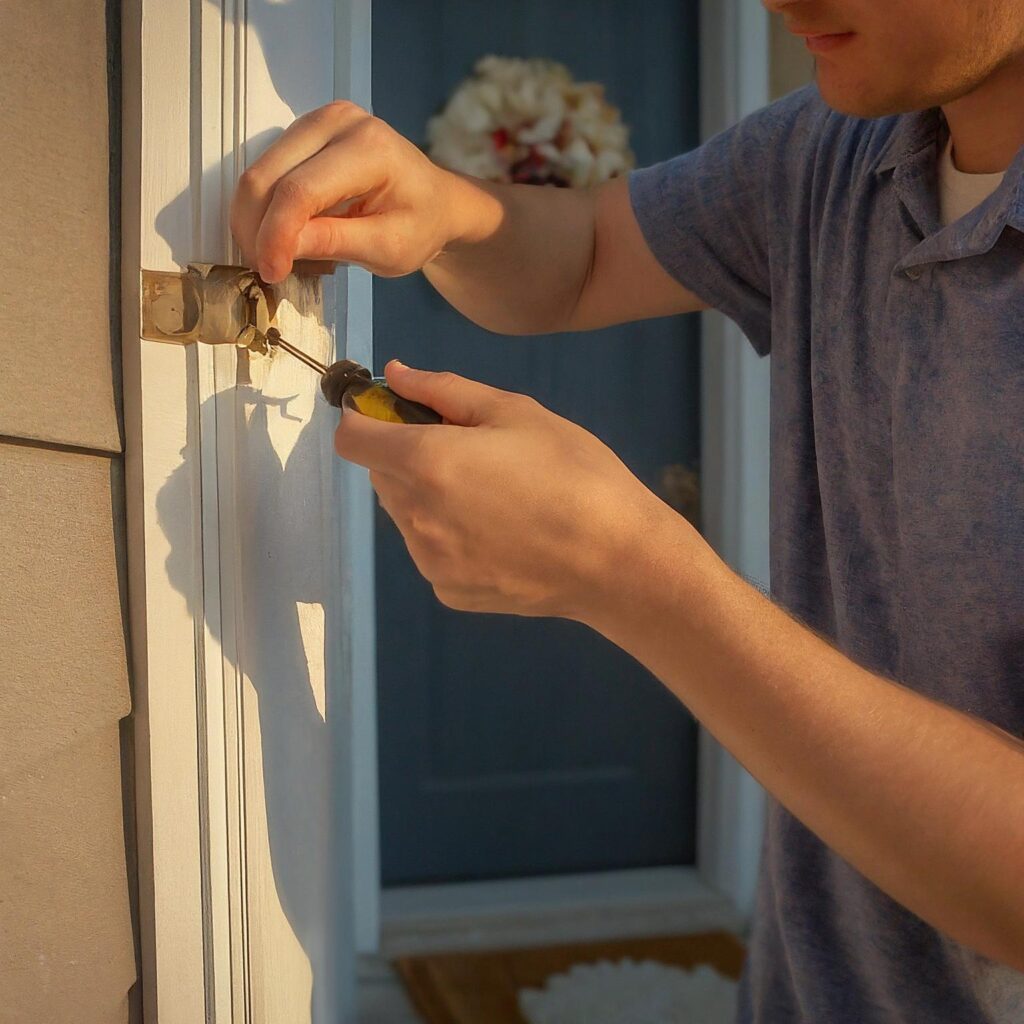
Start by rekeying or replacing all exterior door locks. A professional locksmith in Houston can typically complete this service for $50 to $200 per lock, providing immediate peace of mind. Additionally, don’t forget to reset garage door opener codes and any keypads for gates or community access. If the home has an existing alarm system, contact the provider to transfer service and establish a new, private security code for your family.
Test and Replace Safety Devices
Next, methodically test every smoke and carbon monoxide detector in the house. Replace the batteries in all units, even if they seem to be working. This is a small investment for a critical safety function. Furthermore, check the expiration date on any existing fire extinguishers and purchase new ones if needed, placing them in key areas like the kitchen and garage. Houston’s high humidity can sometimes affect detector sensor sensitivity, so consequently, it is wise to test them monthly.
Locate Critical Shut-Off Points
Before an emergency happens, you need to know how to shut off your home’s main utilities. Walk through the property and locate these critical points:
- Main water shut-off valve: Often located in a utility closet, garage, or on an exterior wall
- Electrical panel: Find the main breaker that cuts power to the entire house
- Gas shut-off valve: Usually located at the gas meter outside your home
Knowing these locations can prevent a small leak from turning into a catastrophic flood or a gas issue from becoming a serious danger.
Houston-Specific Climate and System Priorities
Generic homeowner checklists often fail to address the specific demands of the Houston real estate market. Your home’s HVAC system will work harder here than almost anywhere else in the country, and the region’s expansive clay soil poses unique challenges to your foundation. Prioritizing these climate-specific systems immediately can save you thousands of dollars in future repairs.
“I’ve seen too many new homeowners get a shocking $8,000 bill for a new AC compressor in their first August because they skipped a $200 preventative tune-up in the spring. In Houston, proactive HVAC maintenance isn’t optional; it’s essential for surviving the summer and protecting your budget.” – Chris Schmidt
Your home’s major systems require immediate attention to ensure they can handle the local environment. Key tasks include verifying HVAC performance, monitoring the foundation after rainfall, and establishing a plan for humidity control. These steps are crucial for maintaining your home’s value and comfort in the unique conditions of the Gulf Coast region.
HVAC Performance Verification Before Summer Heat
Scheduling an HVAC inspection and tune-up is one of the most important first steps. The best time to do this is in March or April, before contractors get booked solid and start summer rush pricing. A tune-up in Houston typically costs between $150 and $275 and can identify minor issues before they lead to a complete system failure during a 100-degree heatwave. Moreover, plan to change your air filters monthly from May through September to keep the system running efficiently. Working with the best realtor in Houston means getting expert recommendations for trusted local HVAC contractors before you need emergency service.
| Task | Houston Average Cost | Best Season | Typical Lead Time | Permit? | Frequency |
|---|---|---|---|---|---|
| Lock Rekeying | $100 – $400 | Immediate | < 48 Hours | N | Once at move-in |
| HVAC Tune-up | $150 – $275 | Spring | 1-2 Weeks | N | Annually |
| Pest Control (Initial) | $300 – $500 | Any | < 1 Week | N | Quarterly |
| Foundation Inspection | $400 – $600 | Fall/Winter | 1-2 Weeks | N | Every 3-5 Years |
| Gutter Cleaning | $100 – $250 | Spring/Fall | 1-2 Weeks | N | Twice a Year |
| Plumbing Inspection | $200 – $350 | Any | 1 Week | N | Every 2 Years |
| Roof Inspection | $250 – $450 | Spring/Fall | 1-2 Weeks | N | Annually |
| Chimney Cleaning | $200 – $300 | Fall | 2-3 Weeks | N | Annually (if used) |
| Water Heater Service | $100 – $200 | Any | 1 Week | N | Annually |
| Garage Door Maintenance | $100 – $175 | Any | 1 Week | N | Annually |
Frequently Asked Questions
A reasonable first-year maintenance budget for a typical Houston home ranges between $3,000 and $5,000, though this varies based on your home’s age, size, and condition. This amount covers immediate priorities like rekeying locks ($100-$400), an HVAC tune-up ($150-$275), and initial pest control ($300-$500), as well as seasonal tasks like gutter cleaning ($100-$250) and routine filter changes. Additionally, it’s wise to set aside an emergency fund of at least $2,000 to $3,000 for unexpected major repairs, such as a water heater failure or an urgent HVAC repair, which are common in Houston’s demanding climate. Many financial experts recommend budgeting 1% to 3% of your home’s purchase price annually for maintenance and repairs. For a $300,000 home, this translates to $3,000 to $9,000 per year, with newer homes typically falling on the lower end and older homes requiring more substantial reserves. Budgeting proactively helps new homeowners manage costs without stress while protecting their investment in Houston’s unique climate conditions.
Foundation and Drainage Monitoring
Houston’s expansive clay soil creates unique foundation challenges that require immediate attention. After heavy rainfall, walk around your home’s perimeter to observe how water drains away from the foundation. Water pooling near your foundation can cause serious structural issues over time. Consequently, clearing gutters and ensuring downspouts extend at least five feet from the house are critical first steps. Consider scheduling a professional foundation inspection within your first 90 days, especially if you notice doors sticking, cracks in walls, or uneven floors.
Humidity and Moisture Control
The Gulf Coast’s high humidity levels can quickly lead to mold growth and wood rot if not properly managed. Keep your air conditioning running consistently during summer months, even when you’re away, to maintain indoor humidity levels below 60%. Additionally, check bathrooms and kitchens for proper ventilation, ensuring exhaust fans vent to the outside rather than into the attic. Investing in a dehumidifier for problem areas can prevent thousands of dollars in future mold remediation costs.
Essential System Inspections and Documentation
Beyond the climate-specific challenges, a new home requires a thorough top-to-bottom review of all its working parts. This post-closing walkthrough is different from your pre-purchase inspection. Now, you are not negotiating repairs but rather creating a baseline of your home’s condition and identifying immediate maintenance needs. Meticulous documentation during this phase is vital for future insurance claims and warranty transfers.
Create a detailed record of your home’s condition as soon as you move in. This includes:
- Taking photos and videos of every room, paying close attention to ceilings, walls, and flooring
- Testing every appliance, from the garbage disposal to the washing machine, to ensure proper function
- Checking for slow drains or hidden leaks under sinks and around toilets
- Compiling all manufacturer manuals and warranty documents for major appliances and systems into a single binder for easy reference
This initial inventory serves as a crucial reference point. It helps you prioritize future projects and provides a documented baseline of the property’s condition for insurance purposes. Furthermore, reviewing warranties for the roof, HVAC, and major appliances is critical, as many require the new owner to formally transfer the policy within a set period, often 30 to 90 days after closing. Missing this deadline could void valuable coverage.
Create a Comprehensive Home Maintenance File
Organize all documentation related to your home in one centralized location. This should include the title policy, survey, inspection reports, warranties, appliance manuals, and receipts for any work performed. Additionally, create a maintenance log where you track when filters are changed, when the HVAC is serviced, and when other routine tasks are completed. This documentation becomes invaluable when selling your home in Houston years later, as prospective buyers appreciate thorough maintenance records.
Budget-Conscious Maintenance Triage
After covering a down payment, closing costs, and moving expenses, many new homeowners find their cash reserves are low. This makes it essential to prioritize maintenance tasks based on risk. While a national checklist might present a long and overwhelming list of “must-do” items, a smart Houston homeowner knows how to triage, focusing on tasks that prevent catastrophic costs down the line.
Understanding the financial consequences of deferring certain maintenance tasks is key. Some jobs carry a high risk and can lead to tens of thousands of dollars in damage if ignored, while others can safely wait a few months. For instance, skipping a $200 HVAC tune-up could lead to an $8,000 compressor failure. In contrast, cosmetic updates like painting or landscaping can be deferred without causing structural or financial harm.
Understanding Risk Levels and Deferral Consequences
Not all maintenance is created equal. Focus your immediate budget on high-risk items that protect your home’s core integrity and safety. Low-risk tasks, while important for aesthetics, can be scheduled for a later date. This strategic approach ensures your limited funds are used where they matter most, protecting you from the most costly potential repairs. Knowing how much your house is worth helps you understand which maintenance investments protect your home’s value most effectively.
| Task | Cost to Complete (Houston Avg.) | Cost if Deferred (1 Year) | Risk Level | Safe Deferral Window | Impact on Home Value | Notes (Houston Climate Considerations) |
|---|---|---|---|---|---|---|
| HVAC Service | $150 – $275 | $2,000 – $8,000+ | High | Do Not Defer | High | Crucial before summer. High humidity & heat cause extreme stress on units, leading to premature failure. |
| Lock Changes | $100 – $400 | Security Breach | High | Do Not Defer | Medium | Immediate security is non-negotiable. Rekey or replace all exterior locks within 24 hours of closing. |
| Foundation Inspection | $300 – $600 | $10,000 – $50,000+ | High | Do Not Defer | Very High | Houston’s expansive clay soil shifts dramatically. Early detection of issues prevents catastrophic structural damage. |
| Gutter Cleaning & Drainage Check | $150 – $300 | $1,500 – $10,000+ | Medium | Max 30 Days | Medium | Heavy rains can cause water to pool against the foundation. Ensure gutters are clear and downspouts extend away from the house. |
| Plumbing Check | $200 – $400 | $1,000 – $7,000+ | Medium | Max 30 Days | High | Identify small leaks before they lead to water damage and mold, which thrives in Houston’s humid climate. |
| Roof Inspection | $250 – $500 | $5,000 – $20,000+ | Medium | Max 30 Days | Very High | Essential due to hurricane season and intense sun exposure which degrades materials faster. Check for missing shingles and failing seals. |
| Pest Control Treatment | $300 – $500 (Initial) | $2,000 – $15,000+ | Medium | Max 30 Days | High | Year-round warm weather supports termites, roaches, and rodents. A preventative barrier is key to avoiding structural damage. |
| Electrical Panel Inspection | $150 – $300 | Fire Hazard / System Failure | Low | Up to 90 Days | Medium | Verify panel is safe, not overloaded, and can handle modern appliance loads, especially the high demand from AC units. |
| Water Heater Service | $125 – $250 | $1,500 – $4,000+ | Low | Up to 90 Days | Low | Houston’s hard water can cause sediment buildup, reducing efficiency and lifespan. Flushing the tank is a critical preventative step. |
| Landscape Drainage | $500 – $2,500+ | $5,000 – $25,000+ | Low | Up to 90 Days | Medium | Assess grading after a heavy rain. Improper slope can cause water intrusion and foundation issues; plan corrections if needed. |
High-Priority Tasks That Cannot Wait
Certain maintenance items require immediate action regardless of budget constraints:
- Security measures: Locks, garage codes, and alarm systems must be changed within 24 hours
- HVAC pre-summer inspection: Schedule in March or April before the summer rush
- Water leak identification: Even small leaks cause exponential damage over time
- Pest control treatment: Houston’s warm climate means year-round pest pressure
These tasks prevent catastrophic failures that cost far more than the initial investment. Therefore, allocate your first homeowner budget to these critical priorities before considering cosmetic improvements.
Tasks That Can Be Safely Deferred
Conversely, certain maintenance items can wait 60 to 90 days without significant risk:
- Interior painting and cosmetic updates
- Landscape enhancements and lawn fertilization
- Kitchen or bathroom remodeling projects
- Non-emergency appliance upgrades
- Window treatments and decorative elements
These items improve your home’s appearance and comfort but do not pose immediate financial or safety risks. Deferring them allows you to rebuild your emergency fund after closing expenses.
Setting Up Utilities and Essential Services in Houston
Organizing utilities and other essential services should begin even before your closing day to ensure a smooth transition. In the Greater Houston area, the process involves contacting several different entities, and lead times can vary. It’s best to schedule these services at least one to two weeks in advance to avoid any interruption in service when you move in.
The specific providers you need to contact will depend on your exact address, as services can differ between the City of Houston and unincorporated Harris County or surrounding communities like Katy and The Woodlands. For example, trash and recycling services are often handled by the city but may require a private provider in certain neighborhoods or Municipal Utility Districts (MUDs).
Houston-Area Utility Setup Checklist
To get started, prepare to contact the following providers. Having your new address and closing date handy will streamline the process:
- Electricity: While CenterPoint Energy manages the power lines, you must choose a retail electric provider like Reliant or TXU through the state-run Power to Choose website
- Natural Gas: CenterPoint Energy typically provides natural gas services throughout the region
- Water: Service is provided by the City of Houston Water department or a local MUD, depending on your location
- Internet/Cable: Providers like AT&T, Xfinity, and Spectrum have varying availability by neighborhood
- Trash and Recycling: Contact the City of Houston Solid Waste Management or your local waste management provider
- Pest Control: Schedule quarterly treatments to prevent termites, roaches, and rodents common in Houston’s climate
Setting up these services proactively prevents interruptions and ensures your home is comfortable and functional from day one. Additionally, establishing relationships with local service providers early helps you build a trusted network for future maintenance needs.
Why Choose Chris Schmidt to Guide Your Houston Homeownership Journey
When new Houston homeowners need expert guidance on immediate maintenance priorities, Chris Schmidt’s nearly two decades of local market experience provide invaluable insights that national resources cannot replicate. His specialized knowledge of Houston’s unique climate challenges helps buyers protect their investments from day one. The Chris Schmidt Team at Your Home Sold Guaranteed Realty - Chris Schmidt Team has helped hundreds of homeowners navigate their critical first 90 days, developing systems that prevent costly mistakes.

With a Graduate Realtor Institute (GRI) designation, hundreds of 5 Star Google reviews, and a proven track record of selling homes 7 times faster than the Houston market average, Chris Schmidt combines technical expertise with practical experience. He is known as a top realtor in Houston because he provides guidance that extends far beyond closing day. His unique Guaranteed Sale Program and a comprehensive buyer database of over 5,838 pre-qualified purchasers demonstrate a commitment to client success.
The Chris Schmidt Team’s “Love Your New Home or I’ll Buy It Back” Guarantee provides additional peace of mind for buyers navigating the Houston market. This guarantee, combined with Chris’s deep understanding of neighborhood-specific maintenance challenges from The Woodlands to Katy to Memorial Villages, ensures you receive guidance tailored to your specific property and location. To Discuss Your Home Sale or Purchase, Call 713-322-5604 or Text Today and Start Packing!
Follow Chris Schmidt Team on social media for the latest Houston real estate insights, market updates, and home buying/selling tips. Connect with us on Google, YouTube, Facebook, Instagram, LinkedIn, and TikTok for exclusive content and expert guidance.